International Conference on Environmental Challenges, Green Technologies and Sustainable Development
ICEGTSD–2027“Innovative Solutions for Emerging Environmental Challenges through Green Technologies, Climate Action, Water Security, Clean Energy, and Sustainable Development.”



A multidisciplinary platform for a sustainable future
The International Conference on Environmental Challenges, Green Technologies and Sustainable Development (ICEGTSD–2026) aims to provide a multidisciplinary platform for scientists, academicians, researchers, industry professionals, policymakers, innovators, entrepreneurs, environmentalists and students to exchange knowledge, present innovative research findings and discuss practical solutions to address the world's most pressing environmental challenges.
The conference focuses on emerging environmental issues, climate resilience, green technologies, renewable energy, water conservation, sustainable agriculture, artificial intelligence applications, biodiversity conservation, circular economy and the Sustainable Development Goals (SDGs). Through keynote lectures, technical sessions, oral and poster presentations, panel discussions and networking opportunities, ICEGTSD–2026 seeks to promote collaboration between academia, industry, government organisations and research institutions for building a sustainable future.
Conference Objectives
- Promote interdisciplinary research on environmental sustainability.
- Encourage innovation in green technologies and renewable energy.
- Discuss practical solutions for climate change adaptation and mitigation.
- Promote sustainable agriculture and food security.
- Explore Artificial Intelligence applications in environmental monitoring and management.
- Encourage research on water conservation and water security.
- Promote carbon neutrality and circular economy practices.
- Facilitate collaboration among researchers, industry experts and policymakers.
- Support implementation of the Sustainable Development Goals (SDGs).
- Provide an international platform for presenting quality research.
About Meadow Agriculture
Meadow Agriculture is a registered professional organization committed to the advancement of agriculture and life sciences through research, innovation, capacity building and knowledge dissemination. The society functions as a dynamic platform that promotes scientific excellence, practical skill development and sustainable solutions to address emerging challenges in the agricultural and allied sectors.
About Adamas University
Adamas University, with a sprawling green campus extending over 120 acres, is nestled in Barasat, 13 km from Netaji Subhas Chandra Bose International Airport, Kolkata. In its 10th year of operation, it aspires to impart the finest quality education to the young minds of West Bengal, with established high-quality research facilities and a powerful team of teachers. The University has many international initiatives with industries and educational institutes for projects, research and student exchange programmes. The campus has 7,500+ current students and about 2,000 resident students and faculty members across 10 Schools of Studies.
Mark your calendar
All deadlines are 11:59 PM Indian Standard Time (IST). Only papers that are registered and presented at the conference will be considered for the proceedings.
Organising Institutions
Organiser: Meadow Agriculture, Banda, Uttar Pradesh, India
Host Venue: Adamas University, Barasat, Kolkata, West Bengal, India
Mode: Hybrid — in person at Adamas University and online for virtual presenters and delegates
10 major themes · 12 technical tracks
Submissions are invited on, but not limited to, the following themes, tracks and topics.
Sustainable Agriculture, Forestry, Horticulture & Natural Resource Management
Sustainable and climate-resilient agriculture, precision and regenerative farming, horticultural innovations, agroforestry, forest conservation, silviculture, biodiversity management, soil health, natural resource management, climate-smart technologies and sustainable production systems. Contributions on crop improvement, plant protection, sustainable inputs, protected cultivation, urban forestry and nature-based solutions are encouraged.
Veterinary, Animal Science, Fisheries & Aquatic Resources
Sustainable livestock and poultry production, veterinary healthcare, animal nutrition, genetics and breeding, animal biotechnology, One Health, zoonotic diseases, animal welfare, sustainable dairy and meat production, fisheries science, aquaculture, aquatic biodiversity, fish nutrition, fish health and responsible utilization of aquatic resources.
Life Sciences, Biotechnology, Biomedical & Medical Sciences
Advances in life sciences, biotechnology, microbiology, molecular biology, genetics, genomics, bioinformatics, biomedical research, medical sciences, public health and translational research — with special emphasis on biotechnology-based solutions for environmental protection, disease management, sustainable healthcare, diagnostics, therapeutics and One Health approaches.
Environmental Science, Climate Change, Biodiversity & Ecosystem Sustainability
Climate change, global warming, environmental pollution, biodiversity conservation, ecosystem restoration, environmental monitoring, soil and water quality, air pollution, waste management, disaster resilience and natural resource conservation. Research on climate adaptation, mitigation, carbon management and nature-based solutions is particularly encouraged.
Ayurveda, Traditional Knowledge, Wellness & Sustainable Healthcare
Ayurveda, medicinal and aromatic plants, traditional knowledge systems, herbal medicine, ethnobotany, phytochemistry, natural products, preventive healthcare, holistic wellness and evidence-based traditional medicine. Contributions connecting traditional knowledge with modern science, biotechnology, sustainable cultivation and conservation of medicinal resources are welcomed.
Food Science, Nutrition, Home Science & Sustainable Food Systems
Food science and technology, food processing, preservation, food safety, functional foods, nutraceuticals, food biotechnology, nutrition, dietary health, post-harvest management and value addition. Home science perspectives including family resource management, community nutrition, human development, consumer studies, sustainable lifestyles and women-oriented livelihood innovations are also included.
Engineering, Green Technology, Renewable Energy & Sustainable Infrastructure
Civil, mechanical, electrical, chemical, agricultural and environmental engineering, renewable energy, green buildings, sustainable infrastructure, clean technologies, energy efficiency, waste-to-energy systems, water and wastewater technologies, green manufacturing and low-carbon engineering solutions addressing contemporary environmental challenges.
Computer Science, Artificial Intelligence, Digital Agriculture & Smart Technologies
Artificial Intelligence, Machine Learning, Internet of Things, robotics, automation, GIS, remote sensing, drones, big data, cloud computing, digital twins and smart decision-support systems — applied to agriculture, healthcare, veterinary science, environmental monitoring, climate forecasting, biodiversity assessment, food systems and sustainable resource management.
Startups, Entrepreneurship, Production, Research, Innovation & Technology Transfer
Research-to-market pathways, startups, entrepreneurship, agripreneurship, biotechnology ventures, green businesses, innovative production systems, intellectual property, patents, technology transfer, incubation, commercialization and industry–academia collaboration — with special attention to scalable innovations that generate employment, strengthen local economies and solve societal and environmental challenges.
Sustainable Development Goals (SDGs), Green Economy, Society & Emerging Frontiers
The UN Sustainable Development Goals and their integration into research, policy, education, industry and community development — including green economy, circular economy, ESG, sustainable livelihoods, social innovation, environmental governance, gender-inclusive development, rural and urban sustainability, policy frameworks and emerging interdisciplinary research.
Climate Change and Climate Resilience
Pollution Control and Environmental Management
Water Security and Water Resource Management
Sustainable Agriculture and Food Security
Green Technologies, Renewable Energy and Biofuels
Artificial Intelligence and Environment
AI Data Centers and Sustainable Computing
Circular Economy and Waste Management
Biodiversity Conservation and Ecosystem Restoration
Green Cities and Sustainable Urban Development
Environmental Health and Public Well-being
Carbon Neutrality, ESG and SDGs
Special Technical Sessions
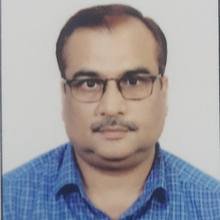
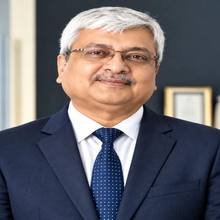
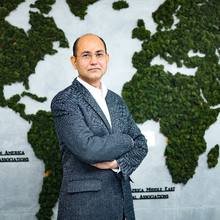
Convenor, Chief Guest & Distinguished Guests
Eminent scientists, academicians and industry leaders from India and abroad.

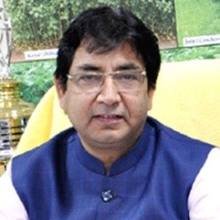
Guests


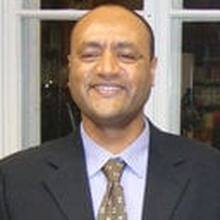

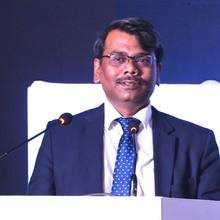





Deans
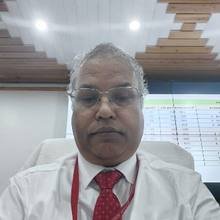

Organising Committee, Editors & Reviewers
The team responsible for planning and running ICEGTSD–2026 and for the peer review and editing of the proceedings.




Coordinators
| S. No. | Committee | Faculty Members |
|---|---|---|
| 1 | Food | Dr. Kheyali Ghosh · Mr. Sagar Banik · Mr. Debkumar Basak |
| 2 | Reception | Dr. Nandini Roy · Dr. Pragun Pal · Mrs. Sagarika Ghosh |
| 3 | Hospitality and Lodging | Dr. Dhritiman Das · Prof. Sandip Banerjee |
| 4 | Advertising | Dr. Anannya Chakraborty · Dr. Debolina Sarkar · Dr. Sagar Banik |
| 5 | Local Travel | Dr. Dhritiman Das · Dr. Nandini Roy · Dr. Pragun Pal · Mr. Debkumar Basak |
| 6 | Editorial | Dr. Arghya Banerjee · Dr. Debarpita Datta Ray · Dr. Amol K Bhalerao · Dr. Khushboo Chandra · Dr. Kheyali Ghosh · Dr. Solanki Bal |
| 7 | Stage Management | Dr. Pragun Pal · Dr. Anannya Chakraborty · Dr. Dhritiman Das |
| 8 | Treasurer | Dr. Dhritiman Das · Dr. Nandini Roy · Dr. Arghya Banerjee · Mr. Debkumar Basak |
Editors for the Conference Proceedings





Reviewers for the Conference Proceedings








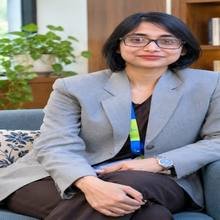

Program & Publication Chairs
Submit original, unpublished research
Authors are invited to submit original research papers, review articles, case studies and book chapters aligned with the conference themes. All submissions are made online through the conference management system: [Submission Portal Link — e.g. Microsoft CMT / EasyChair].
Submission Guidelines
- Abstracts should clearly indicate objectives, methodology, results and conclusions.
- Full papers must be original and unpublished, and not under review elsewhere.
- Book chapters should align with the conference theme or approved conference tracks.
- All submissions will undergo editorial and peer review.
- Similarity must comply with publication ethics.
- Selected papers may be recommended for publication in peer-reviewed journals.
- All accepted participants will receive presentation certificates.
Mode of Participation
Who Can Participate
Abstract, paper & presentation guidelines
Please read the guidelines for your submission type carefully before submitting.
Abstract Submission Guidelines
- The abstract must be original and should not have been previously published or presented at another conference.
- Abstract length: 250–300 words, stating objectives, methodology, results and conclusions.
- The presenting author must complete the conference registration.
- Each registered participant may submit up to two abstracts.
- All abstracts will undergo peer review by the Scientific Committee.
- Acceptance will be based on originality, scientific quality, relevance to the conference theme and clarity of presentation.
- Accepted abstracts will be scheduled for Oral or Poster Presentation as recommended by the Scientific Committee.
- Authors must ensure that all data and information presented are accurate and ethically obtained.
- Any form of plagiarism or unethical publication practice will lead to rejection of the abstract.
- The decision of the Scientific Committee regarding acceptance and presentation category shall be final.
Important Notes
- An acceptance notification will be sent to the corresponding author after peer review.
- Accepted abstracts will be included in the Conference Abstract Proceedings (e-Abstract Book).
- Selected full-length papers may be invited for publication in the Conference Proceedings (ISBN), Edited Book (ISBN) or Partner Journal (subject to peer review and editorial policy).
- Certificates will be issued only to registered participants who present their work during the conference.
Presentation Categories
Manuscript Format
- Type
- Original and unpublished research / review paper
- Language
- English
- File format
- MS Word (.doc / .docx)
- Length
- 6–12 pages
- Font
- Times New Roman, 12 pt
- Line spacing
- 1.5
- Margins
- 1 inch on all sides
- References
- APA / IEEE / Vancouver or journal format
Paper Structure
Papers selected for the Springer proceedings will need to be reformatted in the publisher's author template at the camera-ready stage.
Oral Presentation Guidelines
- Presentation duration: 5 minutes, plus 2 minutes for discussion & questions.
- Prepare the presentation in Microsoft PowerPoint (PPT/PPTX), maximum 5–8 slides.
- Use a readable font size (minimum 24 pt).
- Include graphs, tables, photographs and illustrations wherever applicable.
- The final slide should include key conclusions and acknowledgements.
- Presentations must be delivered in English / Hindi.
- Online participants must join the platform 15 minutes before their scheduled session.
- Presentation certificates will be issued only to registered presenters.
First Slide Must Contain
- Title of the Paper
- Author(s) Name
- Affiliation
- Email Address
Poster Presentation Guidelines
- Poster size: A1 (594 × 841 mm), portrait orientation.
- Format: PDF or high-resolution image (300 dpi).
- Font should be clearly readable.
- Use charts, photographs and figures for better visualization.
- Authors will be given 5 minutes for poster presentation and interaction with judges.
- The poster should be original and unpublished.
Poster Should Contain
Rigorous double-blind peer review
Every submission is evaluated through a transparent, multi-stage review managed on the conference management system and overseen by the Program Committee Chairs and Volume Editors.
Submission
Anonymised full paper uploaded via the conference management system under a selected theme.
Plagiarism Screening
Similarity check (iThenticate / Crossref Similarity Check). Papers above the threshold are returned without review.
Desk Review
Theme Chairs check scope, formatting and minimum quality; out-of-scope papers are desk-rejected.
Reviewer Assignment
Three reviewers with matching expertise are assigned; conflicts of interest (same institution, co-authorship) are excluded.
Evaluation
Reviewers score originality, technical soundness, relevance, clarity and quality of references, with written comments.
Decision
Chairs consolidate reviews: Accept, Minor Revision, Major Revision or Reject. Borderline papers go to a Program Chair meta-review.
Revision & Camera-Ready
Authors address reviewer comments and submit a response letter with the final camera-ready version.
Final Verification
Volume Editors verify revisions, presentation at the conference and copyright forms before sending papers to the publisher.
Publish your research
Accepted and presented full papers will be submitted for consideration for publication in Springer Proceedings (proposal under consideration — subject to Springer's approval and final quality check).
- Conference Proceedings with ISBN
- Edited Book with ISBN
- Peer-Reviewed Journal Publication (subject to review)
- Book Chapters
- Extended Abstract Proceedings (e-Abstract Book)
- DOI Allocation (where applicable)
Conference Highlights
Expected Outcomes
- International research collaboration
- Exchange of innovative ideas
- High-quality scientific publications
- Technology transfer opportunities
- Policy recommendations
- Sustainable environmental solutions
- Promotion of green technologies
- Strengthened academia–industry partnerships
- Enhanced awareness on climate action and SDGs
- Capacity building for future environmental challenges
Two days of science, ideas & networking
Tentative programme — Adamas University, Kolkata (in person) with live online sessions.
| Time (IST) | Session |
|---|---|
| 09:30 – 10:00 AM | Registration & Welcome of Guests |
| 10:00 – 11:00 AM | Inaugural Ceremony |
| 11:00 – 11:30 AM | Tea Break |
| 11:30 AM – 01:00 PM | Keynote Lectures |
| 01:00 – 02:00 PM | Lunch Break |
| 02:00 – 04:00 PM | Technical Session–I (parallel themes, offline & online) |
| 04:00 – 04:30 PM | Tea Break |
| 04:30 – 06:00 PM | Poster Presentation Session |
| Time (IST) | Session |
|---|---|
| 09:30 – 11:00 AM | Technical Session–II (parallel themes, offline & online) |
| 11:00 – 11:30 AM | Tea Break |
| 11:30 AM – 01:00 PM | Special Technical Sessions |
| 01:00 – 02:00 PM | Lunch Break |
| 02:00 – 03:30 PM | Oral Presentation Sessions |
| 03:30 – 04:00 PM | Tea Break |
| 04:00 – 05:00 PM | Award Ceremony |
| 05:00 – 05:45 PM | Valedictory Session |
| 05:45 PM | Certificate Distribution |
ICEGTSD–2026 International Society Awards
Recognising excellence in research, presentation and innovation across agriculture, life sciences, environment, veterinary, fisheries, Ayurveda, biomedical sciences, food science, engineering, AI, startups and SDGs.
Recommended Award Categories
All Awardees Will Receive
- Digital / hard copy Certificate of Excellence
- Trophy / Medal (where applicable) / Conference kit (offline participants only)
- Award / Participation Appreciation Certificate
- Free opportunity for publication in the Conference Proceedings / Edited Book / Partner Journal (subject to editorial review)
Other Conference Awards
Award Categories by Discipline
Tap a discipline to see its awards.
A. Agriculture, Agronomy & Sustainable Farming10 awards
B. Horticulture & Plantation Sciences10 awards
C. Forestry, Biodiversity & Ecosystem Conservation10 awards
D. Veterinary & Animal Science10 awards
E. Fisheries, Aquaculture & Blue Sustainability10 awards
F. Life Sciences, Biotechnology & Biological Innovation10 awards
G. Environmental Science, Climate & Natural Resources10 awards
H. Ayurveda, Traditional Knowledge & Integrative Sciences8 awards
I. Biomedical, Medical & Public Health8 awards
J. Food Science, Nutrition & Home Science8 awards
K. Engineering, Technology & Green Infrastructure10 awards
L. Computer Science, AI, IoT & Digital Sustainability10 awards
M. Startups, Entrepreneurship, Production & Industry10 awards
N. Research, Innovation, Intellectual Property & Academia10 awards
O. Sustainable Development Goals & Global Impact10 awards
P. Special Society & Conference Awards16 awards
Contact Us
Meadow Agriculture
Head Office: C/o Shivcharan Baghelawari, Naraini,
Banda, Uttar
Pradesh – 210202
CIN: U85500UP2022PTC169344
Email & Web
director@meadowagriculture.in
info@meadowagriculture.in
www.meadowagriculture.in
Convenor: Dr. Amol K Bhalerao
📞 +91 79721 47602
Together Towards a Greener, Smarter and Sustainable Future.